A Skeptic’s Field Notes: Trying CBD Without Buying the Whole Fairy Tale
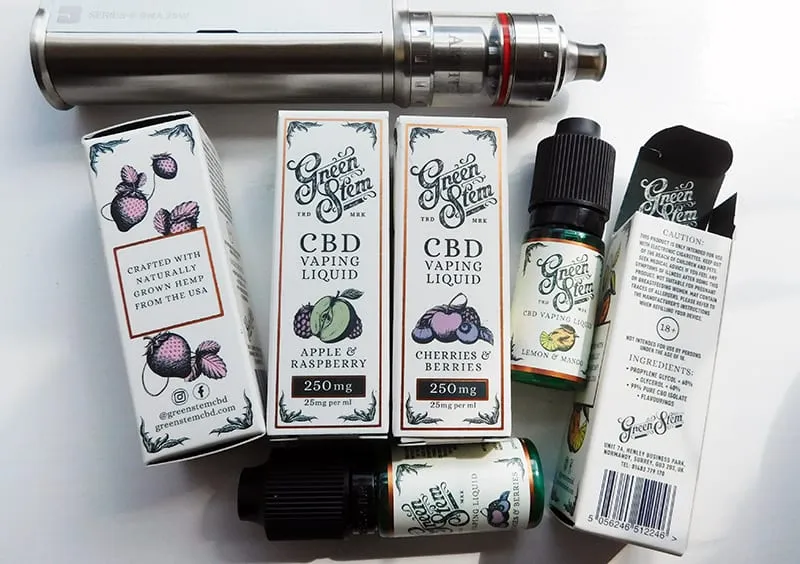
Photo: Ecig Click, CC BY-SA 2.0, via Wikimedia Commons
I am not here to tell you CBD will change your life. I am here because you are curious, and also allergic to the way wellness brands talk. You have seen the ads: soft-focus fields, a woman in linen, a promise that a few drops will fix your sleep, your stress, your skin, and possibly your relationship with your mother. You would like to try CBD without swallowing the whole fairy tale. Quite right.
This is a field guide for the comfortable skeptic. Not the person who has already decided CBD is nonsense, and not the person who has bought a subscription before reading the label. The person in the middle: open-minded, unimpressed by hype, and unwilling to spend Christmas money on a tiny bottle with a crescent moon on it.
What CBD can plausibly do, and what it cannot
Let us start with the boring bit. In the UK, CBD is sold as a food supplement, not a medicine. It is not licensed to treat anxiety, insomnia, pain, or anything else. The evidence is mixed and often modest. Some people report feeling calmer or sleeping better when they use it as part of a routine. Others notice nothing at all. That is not a scandal. It is just what happens when a product is popular before the research has fully caught up.
What CBD cannot do is replace sleep, food, boundaries, or a sensible exit from a party. It will not give you a high. It will not cure a bad job or a difficult December. It will not make you a different person. If you are looking for a dramatic result, you will probably be disappointed, and you will probably spend more money trying to fix that disappointment.
What is worth trying first
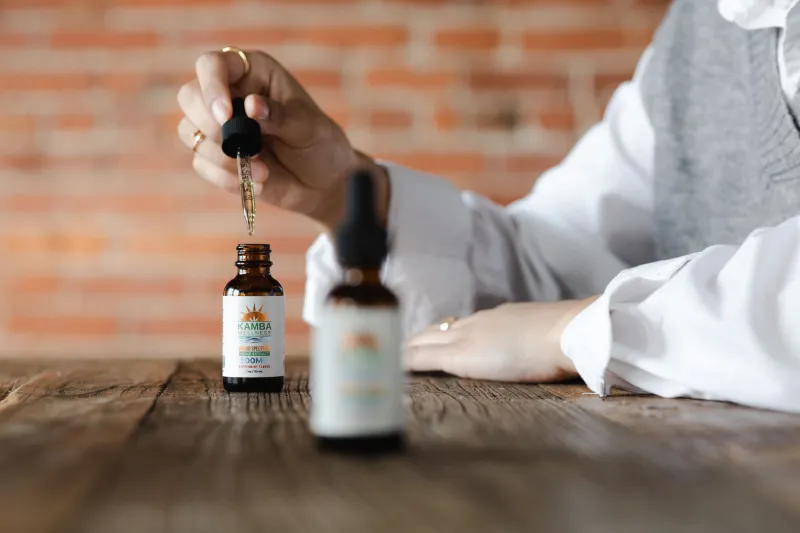
Keep it simple. A plain oil from a seller who publishes batch-specific lab reports and clear dosing information is the most sensible first purchase. Choose a low strength, take it at the same time for a week or two, and note how you feel. Do not start with the strongest bottle. Do not start with three products. Do not start with a festive bundle that includes a drink, a patch, and a mystery gummy.
A balm is also reasonable if you like the ritual of applying something to your hands or temples. It is not a precise dose, and it is not a medical treatment, but it can be a pleasant way to pause. Capsules are fine if you prefer routine and do not mind waiting longer to notice anything.
What should you skip? Anything with a foggy label. Anything that promises to cure a condition. Anything that uses the word miracle without a trace of irony. Anything sold mainly through a countdown timer. Anything with more branding than information. And anything that requires you to buy a second product to make the first one work.
What to stop expecting
This is the part that saves you money.
Stop expecting instant calm. CBD is not a switch. If it helps at all, it is more likely to be a subtle shift over time, or a cue that your evening is winding down.
Stop expecting a high. It does not work like THC. If a product makes you feel intoxicated, treat that as a red flag, not a bonus.
Stop expecting it to fix your sleep. It might support a routine. It will not undo the 11pm doomscroll or the coffee you had at 4pm.
Stop expecting the same effect every day. Bodies are not vending machines. Your response can change with stress, food, timing and a hundred other things.
Stop expecting it to be a personality. You do not need to become a CBD person. You can be a person who tried it and moved on. That is allowed.
The skeptic’s test
Here is the experiment I would recommend to anyone who wants to try CBD without getting carried away. Pick one product. Pick one time of day. Take a modest amount for a week. Give each day a simple score out of ten for how you felt, and write one line about why. Do not change anything else. Do not add a second product halfway through. Do not read a forum thread at midnight and decide you have been doing it wrong.
At the end of the week, ask yourself a blunt question: did anything change that was worth the money? If the answer is no, stop. If the answer is maybe, give it another week. If the answer is yes, keep it boring. Do not immediately buy the strongest version, the new flavour, and the subscription. That way lies a cupboard full of half-used bottles.
Why skepticism is kinder
A skeptical approach is not pessimistic. It is kind. It protects you from disappointment. It makes room for genuine discovery. It lets you notice a small improvement without turning it into a miracle. And it keeps the whole thing in proportion.
The word serendipity is often used to mean a happy accident. But it also implies something unforced. You do not find calm by chasing it aggressively. You find it by paying attention, trying sensible things, and being honest about what happens. Sometimes that is a CBD oil that suits you. Sometimes it is a bath and an early night. Sometimes it is admitting that the product was not for you and returning it.
So try CBD if you are curious. Try it with a clear label, a low dose, and a notebook. But leave the fairy tale on the shelf. The calmer version of this story is usually the more useful one. And if it does nothing for you, that is not a failure of you or of calm. It is just information. Keep the receipt, keep your expectations steady, and keep the rest of your evening gentle.