The Afternoon That Goes Missing: A Gentle Ritual for Britain's Early Dark
Photo: Evelyn Simak, CC BY-SA 2.0, via Wikimedia Commons
There's a moment in early November that nobody puts in the calendar. It's not sunset — sunset is still officially hours away. It's the point, somewhere around four o'clock, when the light goes from grey to greyer and the day quietly stops pretending. You look up from your desk, or from the washing-up, and think: right, that's it then.
It's a very British sort of flatness. Not dramatic, not clinical, just a slow dimming of the internal engine while the kettle clicks off and the streetlights come on outside.
Why four o'clock feels like a small closing
The clocks going back at the end of October does something oddly abrupt to the body. We don't just lose an hour of evening light — we lose it all at once, and it lands in the part of the day when energy is already at its lowest ebb. Sunrise arrives while you're on the bus. Daylight, if it shows up properly at all, is a brief visitor.
Add the short days, the wet pavements, and the fact that most of us spend the daylight hours indoors under a ceiling, and you have a recipe for a mood that's less seasonal affective disorder and more generalised November shrug.
It's also worth saying plainly: feeling flatter in winter is common and normal. If it goes beyond flat — persistent low mood, loss of interest, sleep and appetite changes that last for weeks — that's a conversation for your GP, not a bottle.
What the evidence does and doesn't say
CBD research is a genuinely interesting field, and it's also a field where the honest answer to most questions is we're still learning. There's promising work around anxiety and sleep, but much of it involves different doses, different products, and small groups. Anyone who tells you CBD will fix your winter is overselling.
What we can say is modest and useful: CBD is generally well tolerated by many people, it isn't a licensed medicine in the UK, and it can interact with some prescription medications because of how it's metabolised. If you take anything regular — especially blood thinners, epilepsy medication, or anything with a grapefruit warning — check with a pharmacist first. That's not caution for its own sake. It's just sensible.
Which leaves CBD where it probably belongs: as one small, pleasant part of a wider routine, not the routine itself.
Daylight first, drops second
If there's a hierarchy of things that help with the winter slump, natural light sits comfortably near the top, and it's free. Twenty minutes outside in the morning does more for your body clock than an hour of lamp-lit afternoon. Wrap up, walk to the shop the long way, stand in the garden with a cup of tea and let the grey get on your face.
Movement matters too, and it doesn't need to be heroic. A brisk walk at lunchtime, a stretch at three, taking the stairs when the lift is right there.
Then there's the evening. Screens dimmed, lights low, a proper wind-down rather than a sudden collapse into bed at midnight.
A CBD ritual fits neatly into that last third of the day, and it works best when it's attached to something you already do rather than floating loose in the schedule.
Building a twenty-minute landing
Here's a version that suits a dark Tuesday in Sheffield as well as a rainy one in Cardiff.
Around nine o'clock, the big light goes off and a lamp comes on. Kettle on. Phone face down, or in another room if you're feeling brave.
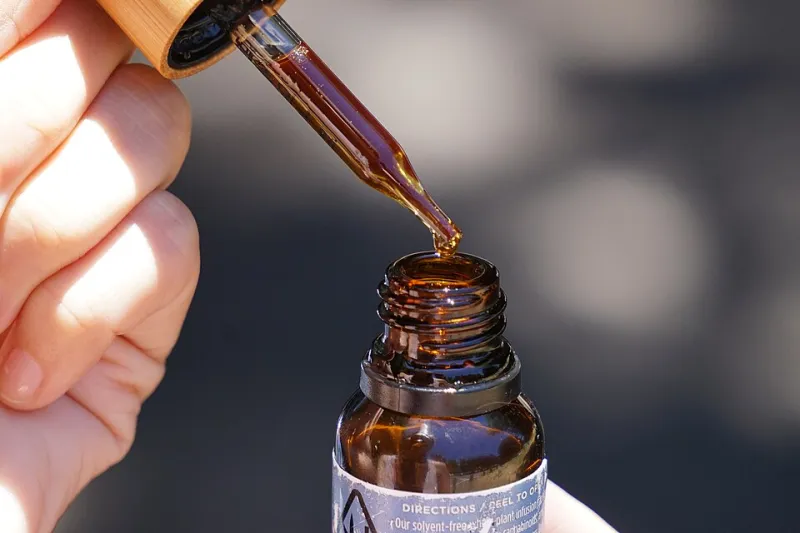
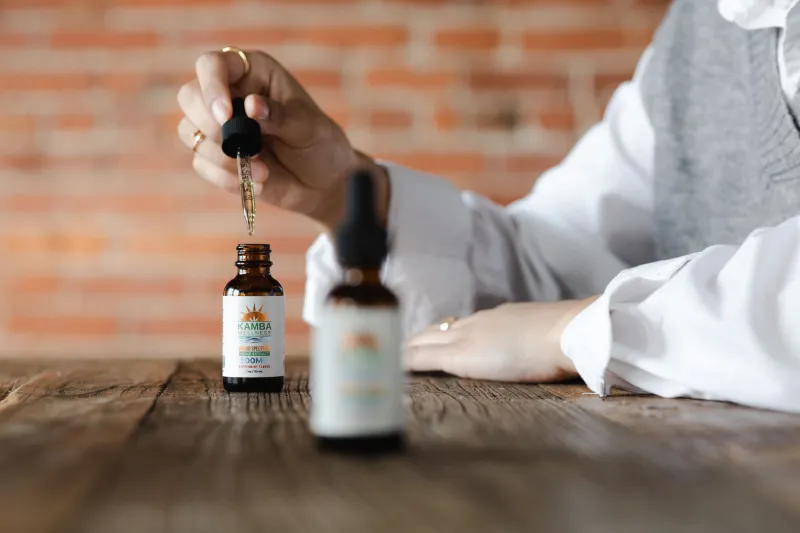
Then the drops. A small, measured amount — starting low, as the label suggests, and staying there for a few days before deciding anything. Under the tongue, held for a minute or so, then swallowed. It's not a dramatic experience. That's rather the point.
Then something with no screen in it. Ten pages of a book. A bath. A podcast with the lights off. Something that tells your nervous system the day is closing rather than crashing.
And then bed, a bit earlier than usual. Winter is arguably the one season that gives you permission to sleep more. Take it.
On timing, honestly
People ask when to take CBD, and the truthful answer is that there's no single correct hour. Some prefer it in the morning, some mid-afternoon when the fade hits, some at night. Effects, where people notice them at all, tend to come on within an hour or so and settle over a few hours.
If you're trying it for the four o'clock feeling specifically, a dose somewhere between three and four — before the slump fully lands rather than after — often feels more natural than waiting until you're already flat. But keep it simple. Consistency over a couple of weeks tells you more than any single day will.
And if you don't notice anything? That's a valid result. Not everything needs to work for everyone, and a calm evening ritual has value even if the only thing it changes is that you stopped scrolling for twenty minutes.
The small comfort of a plan
The winter afternoon fade isn't a personal failing. It's a body responding reasonably to a country that gets dark at teatime. You can't argue with the sun. But you can build a soft landing for the hours after it goes.
Light when you can get it. Movement where it fits. Drops if they suit you. An earlier night, unapologetically. That's a decent little routine — and it'll see you through to the lighter evenings, one quiet four o'clock at a time.